Maritime Energy Infrastructure

Zero-Carbon Maritime Energy Infrastructure

A new offshore energy architecture for deep-sea shipping.

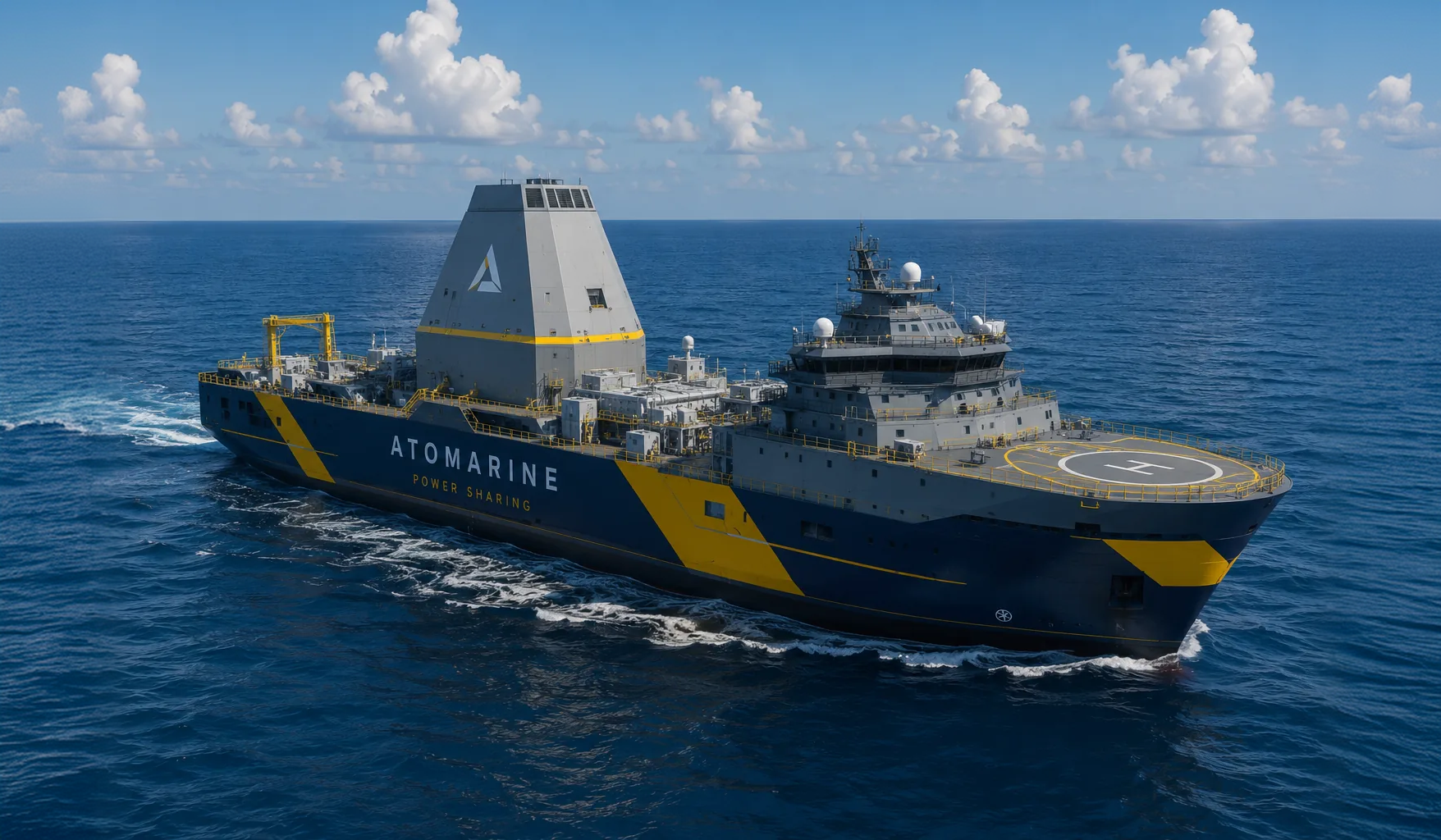
Atomarine centralizes clean energy generation in a dedicated offshore vessel and supplies propulsion power to multiple merchant ships at sea.

No onboard nuclear systems for cargo vessels. No fuel switching across the fleet.

A scalable pathway to zero-carbon long-haul shipping.


Shipping Faces a Structural Energy Problem

The industry lacks a structural energy solution.


A New Energy Architecture

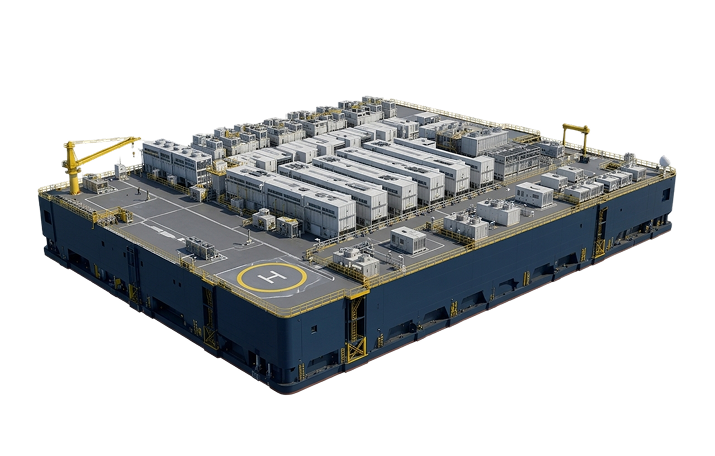
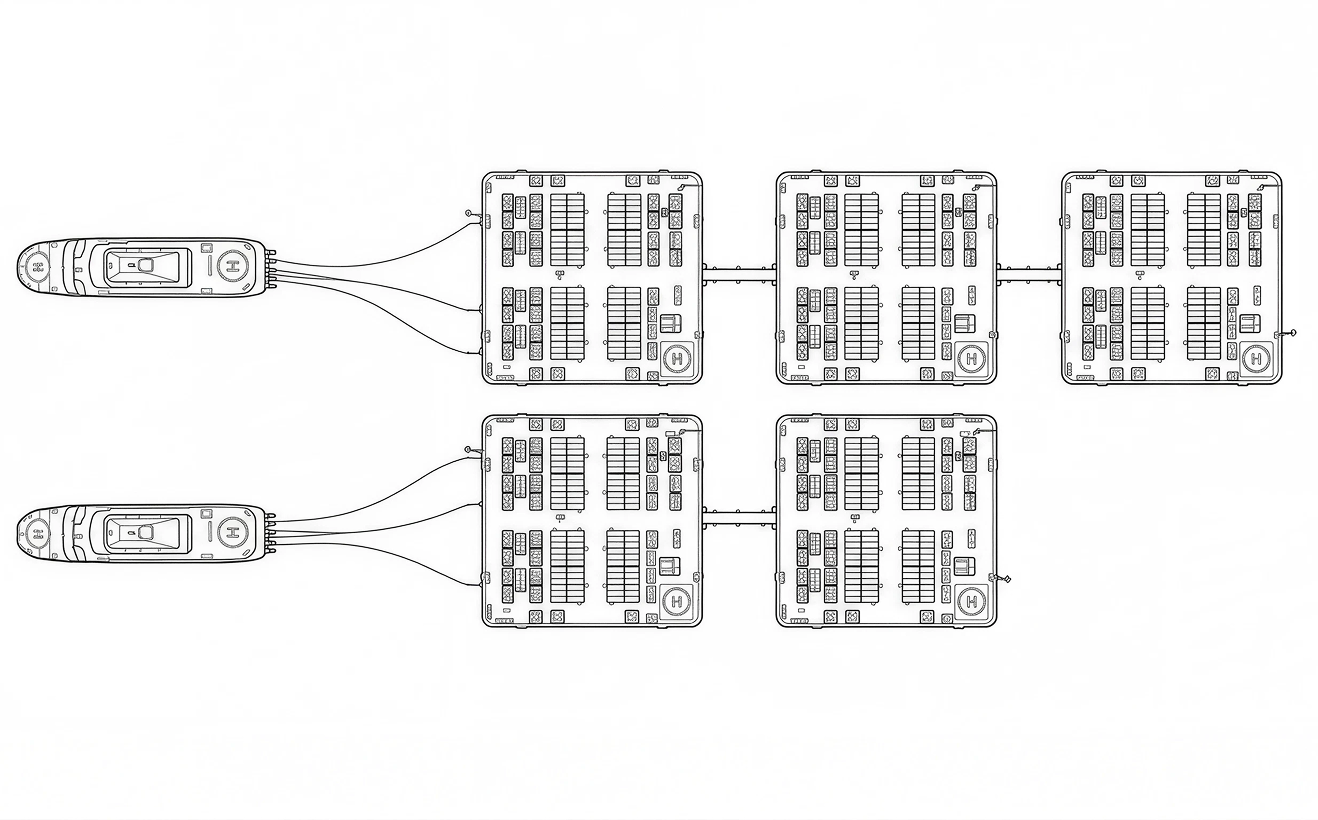
Atomarine deploys a dedicated nuclear-powered energy vessel operating in international waters. Merchant vessels connect offshore and receive propulsion power — without carrying nuclear systems onboard.

SEA LEVEL PWR ENERGY VESSEL Nuclear · offshore · stationary dynamic cable Merchant Merchant Merchant Propulsion power transfer Reactor module (schematic) International waters
Zero carbon propulsion During connection, merchant vessels operate on clean electrical power with no combustion emissions.
Fleet compatibility Hybrid PTO/PTI retrofit enables existing vessels to participate without full redesign.
Offshore operating model The energy vessel operates in international waters, reducing port integration complexity.
Infrastructure-level scalability A single energy vessel can serve multiple vessels across a corridor, compounding utilization economics.

Built on Established Industrial Technologies

The Atomarine model is assembled from proven industrial components. No single element requires first-of-kind development.

01

Gen III+ Pressurized Water Reactor

Mature reactor technology with established regulatory precedent and decades of operational data across commercial and naval applications.

02

Offshore Dynamic Cable Systems

Dynamic power cable technology with extensive deployment history in offshore wind and subsea industrial installations.

03

Hybrid PTO/PTI Integration

Power take-out / power take-in shaft systems are a standard component of modern hybrid marine propulsion architectures.

04

Naval Nuclear Operations

Decades of operational experience in naval nuclear propulsion provide a robust baseline for offshore marine reactor management.


Who It's For

Sector

Shipping Companies

  • Reduce fuel cost volatility across the fleet
  • Manage carbon exposure ahead of pricing escalation
  • Restore speed flexibility without fuel cost penalty
Discuss Pilot Corridor

Sector

Governments

  • Strategic decarbonization corridor infrastructure
  • Energy independence from fossil fuel import dependency
  • Industrial leadership in maritime energy transition
Initiate Strategic Dialogue

Sector

Investors

  • Infrastructure-scale asset with contracted revenue structure
  • Long-term energy service agreements with creditworthy counterparties
  • First-mover positioning in a structurally undersolved market
Request Investment Overview

Safety and Regulatory Engagement First

Atomarine is designed around phased validation, structured regulatory engagement, and early insurance dialogue. Each development stage is gated on prior-stage confirmation — technical, institutional, and commercial.

The offshore operating model reduces port integration complexity while maintaining institutional oversight at every level. We engage regulators as partners, not obstacles, and we structure our development timeline to reflect that commitment.

Current Development Focus

01

Corridor feasibility studies across priority deep-sea trade routes

02

Commercial validation with shipping partners and fleet operators

03

Regulatory pre-engagement with relevant national and international bodies

04

Operational modeling of connection protocols and service economics

05

Capital structuring pathways and project finance frameworks

Engage With Us

We welcome structured dialogue with shipping operators, government bodies, and institutional investors. All enquiries are handled with appropriate confidentiality.